Capacity Building and Training
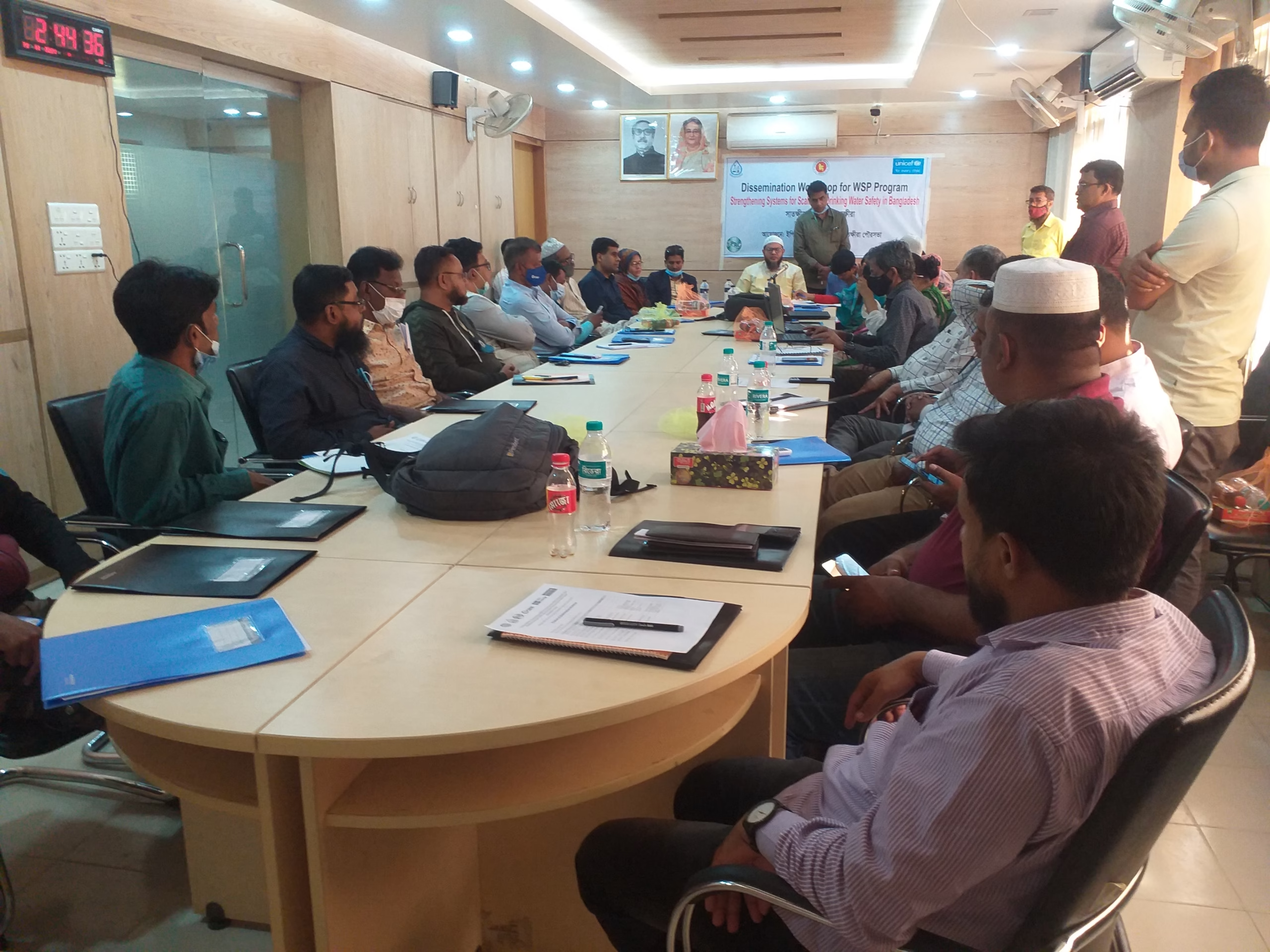
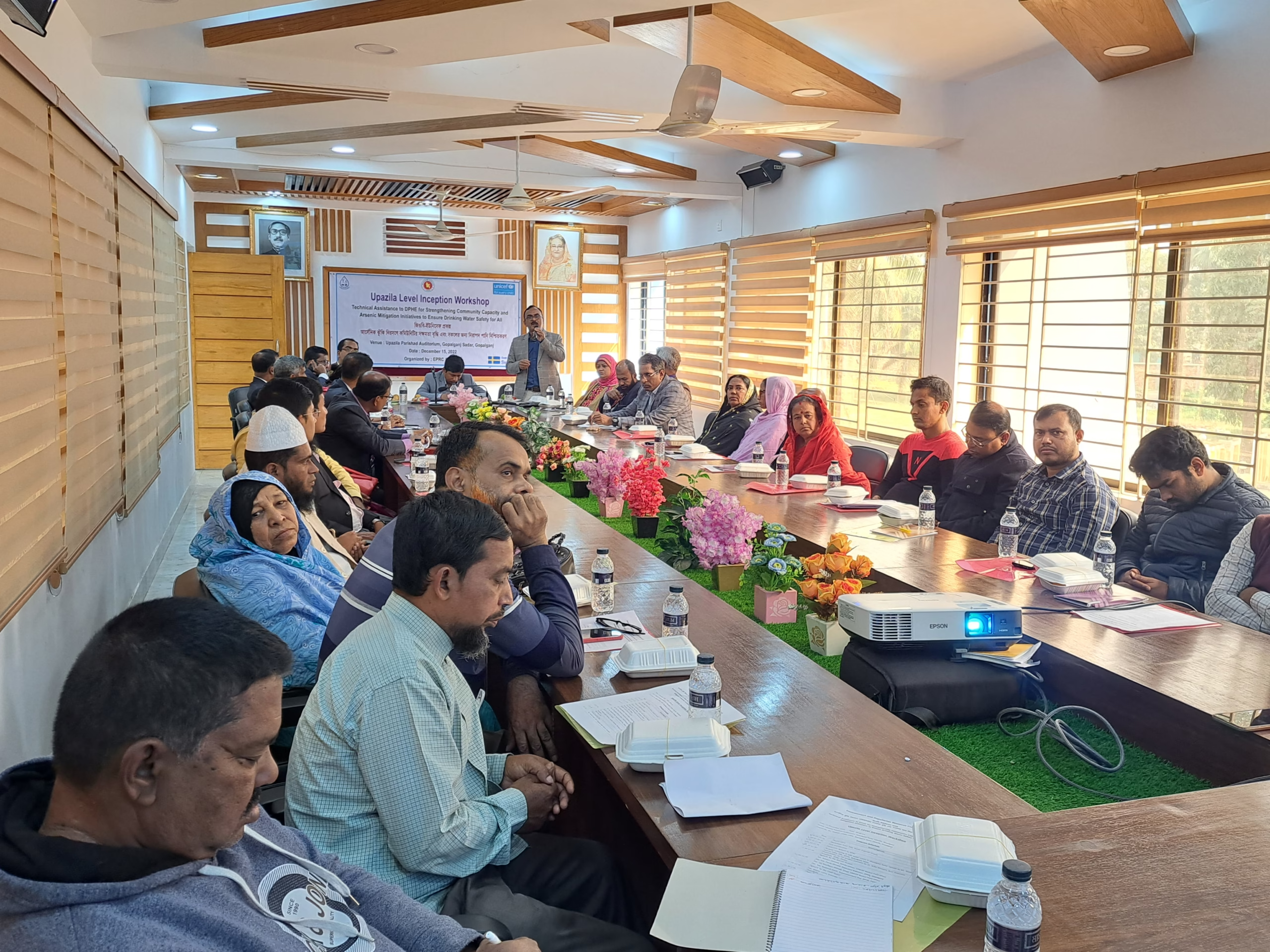
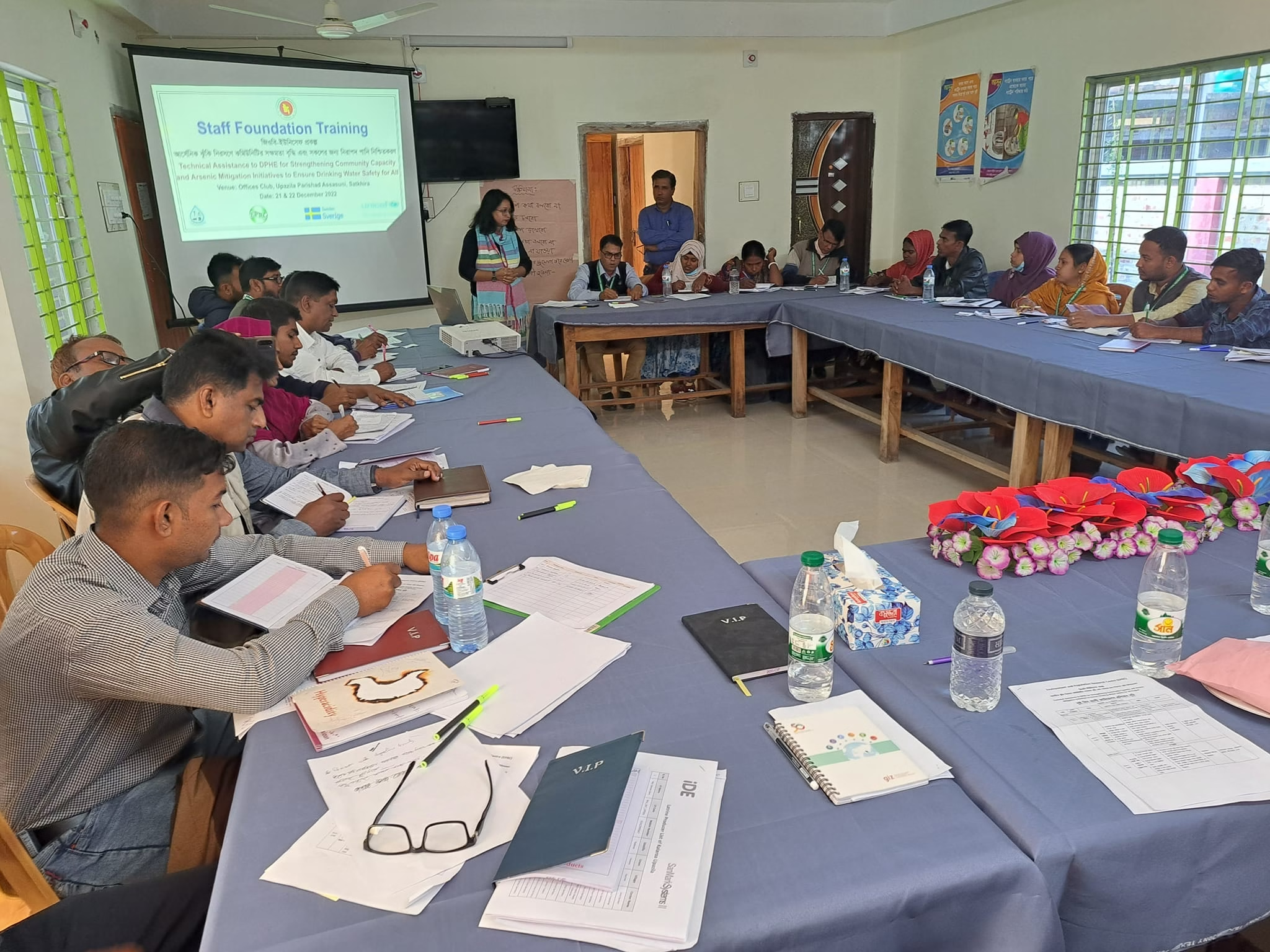
EPRC places strong emphasis on capacity building and training since its inception. EPRC is committed to the development of human capital and the strengthening of institutional capacities of government agencies, non-governmental organizations, academic institutions, and community-based organizations through decentralized, tailor-made, and collaborative initiatives.
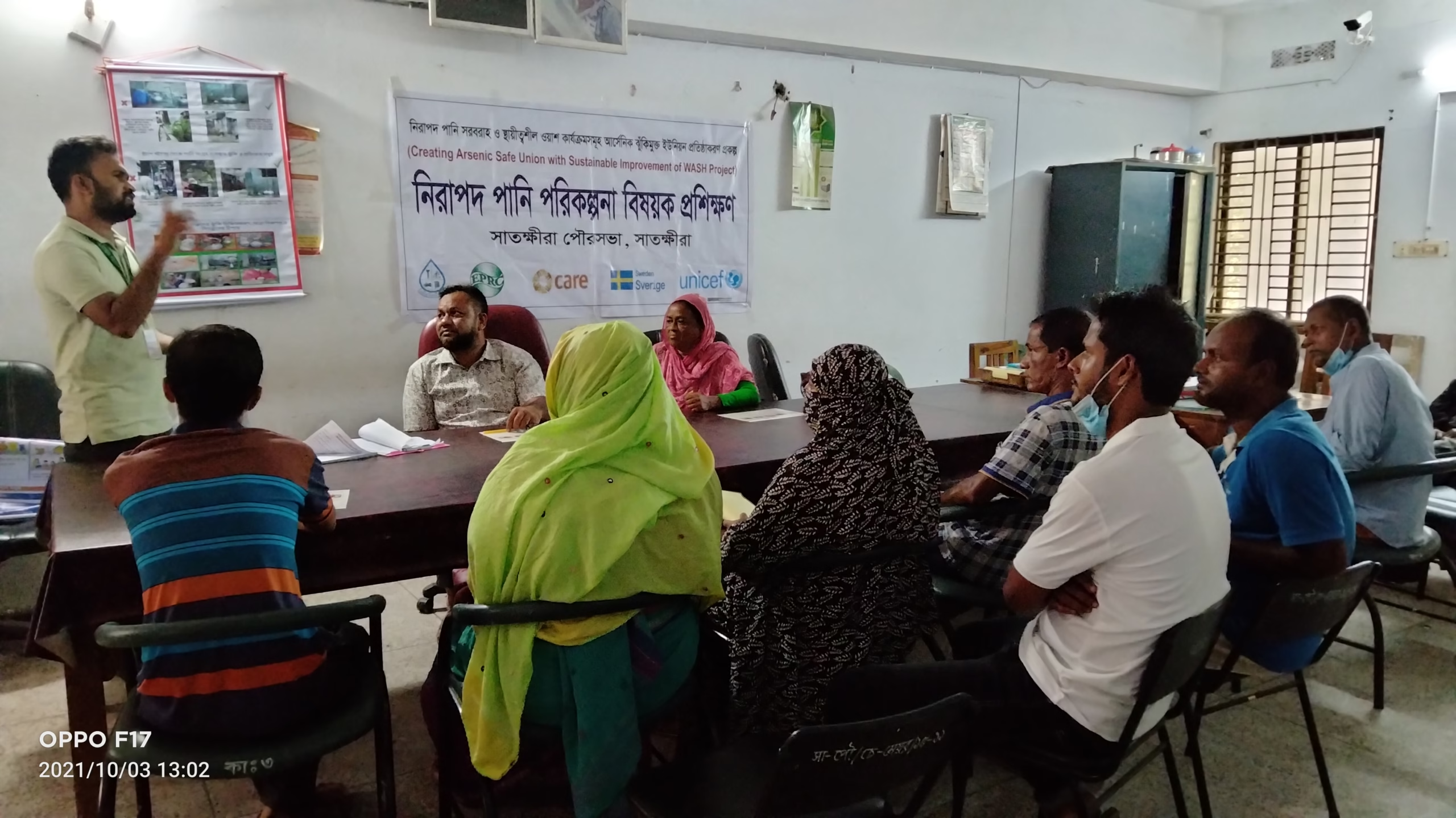
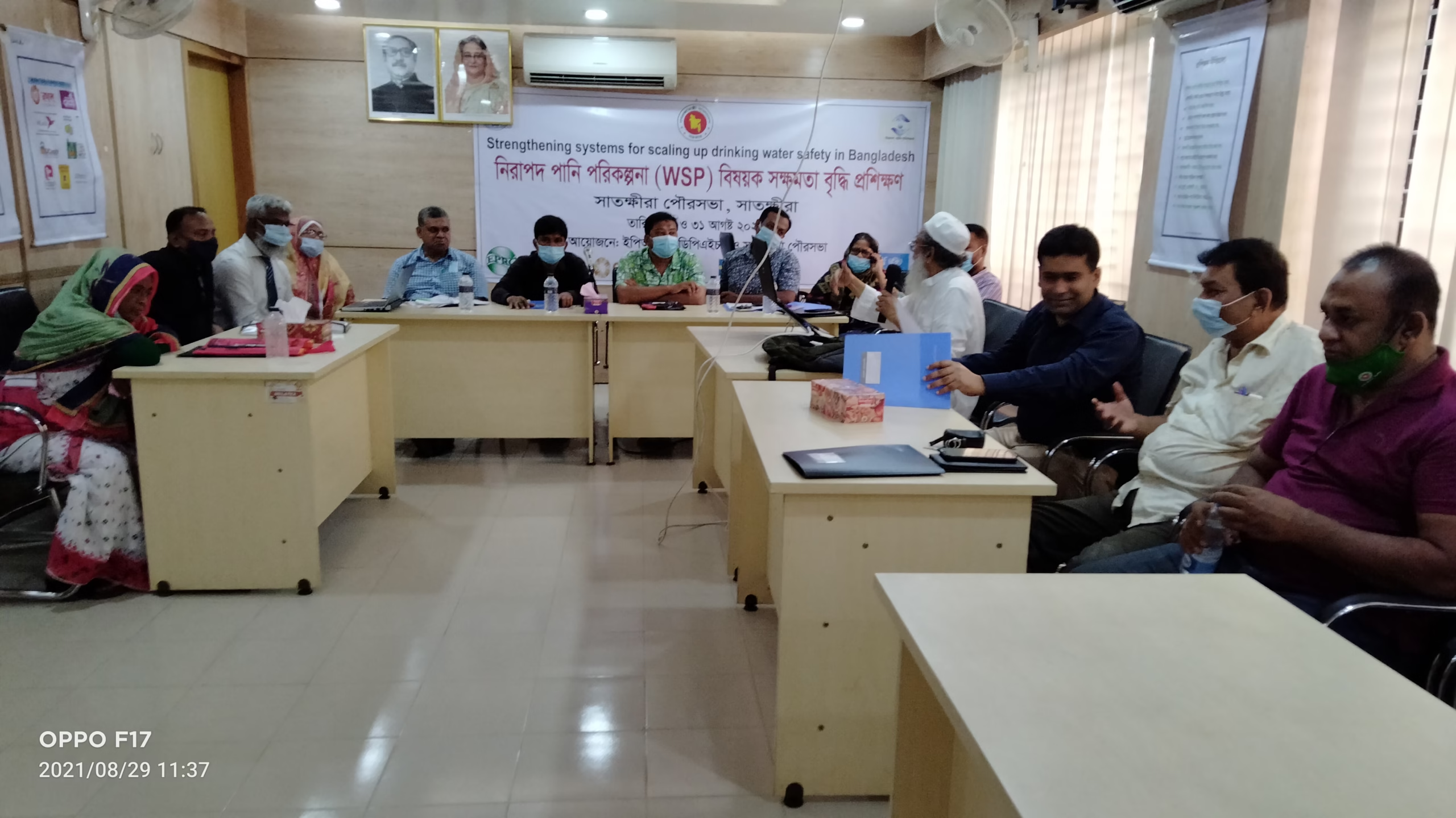
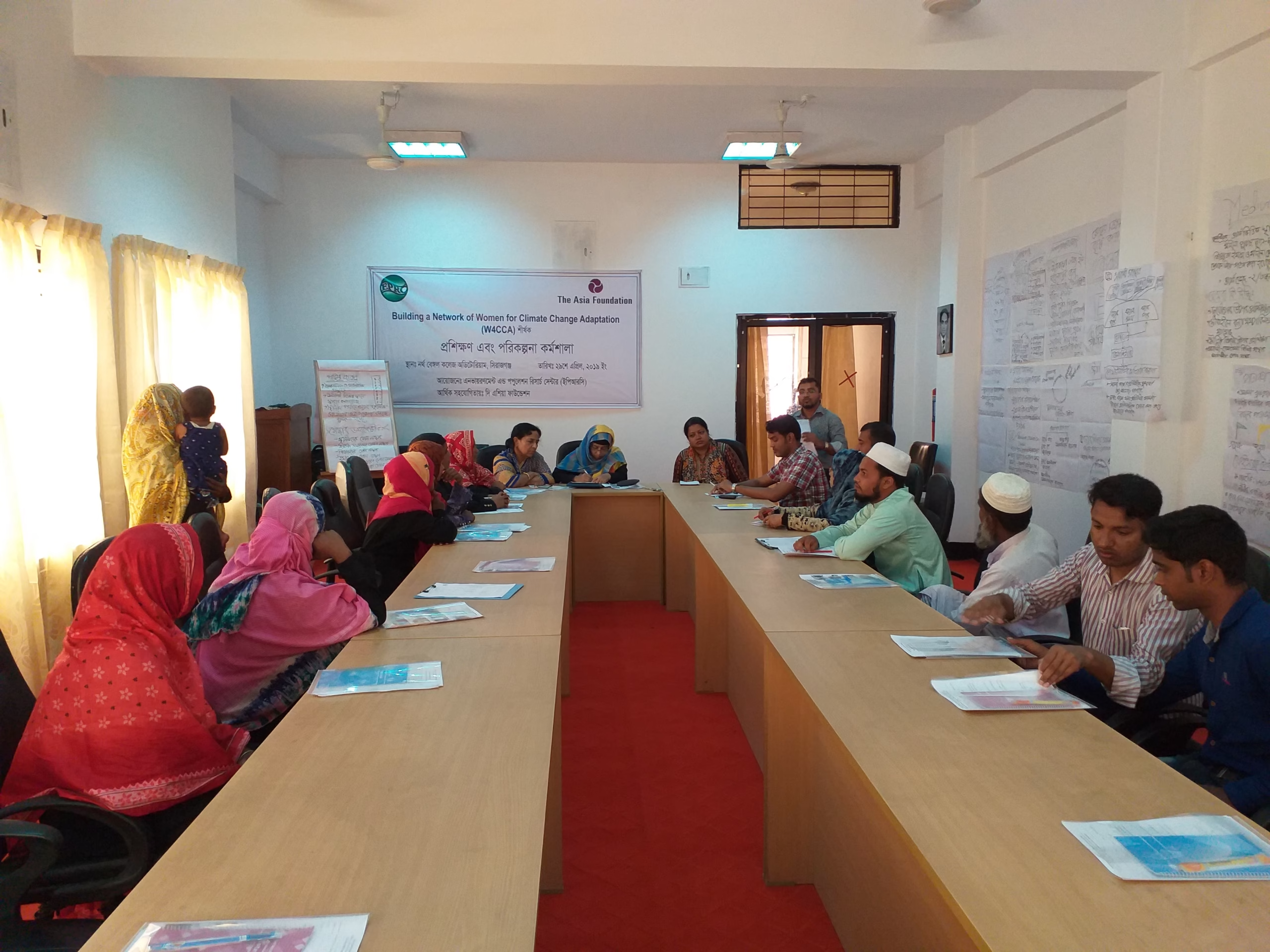
EPRC designs and delivers customized Training of Trainer (ToT), training programs, short courses, workshops, and informal learning platforms to enhance technical, analytical, organizational/institutional skills of professionals, researchers, stakeholders, development practitioners and community people.
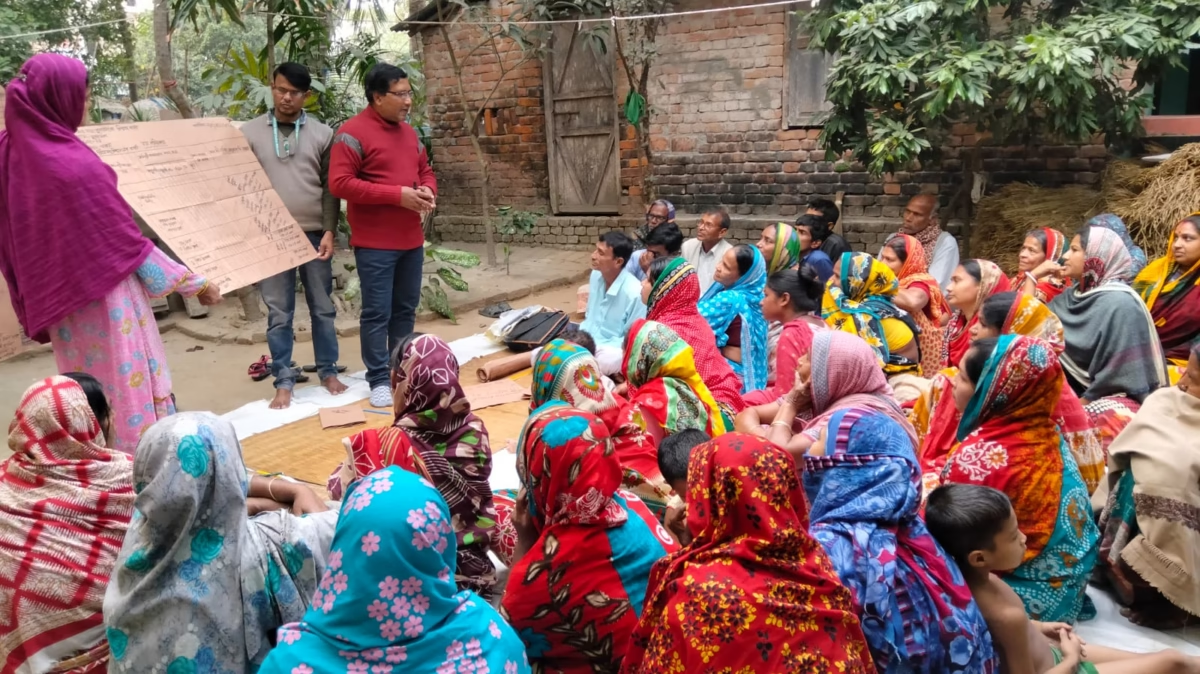
These capacity development interventions focus on applied learning and practical methodologies in key thematic areas including water, sanitation and hygiene (WASH), climate resilience water safety plans (CR-WSP), public health, SRHR, gender, governance, DRR & CCA, relevant environmental issues, organizational development and management, and resilient and inclusive technology adoption.
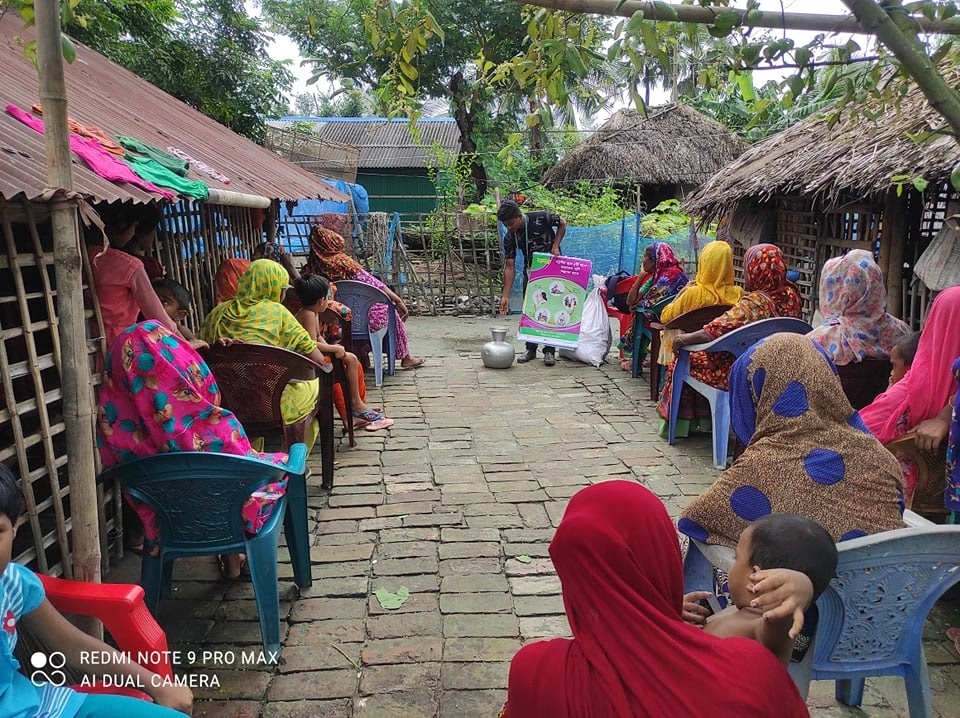
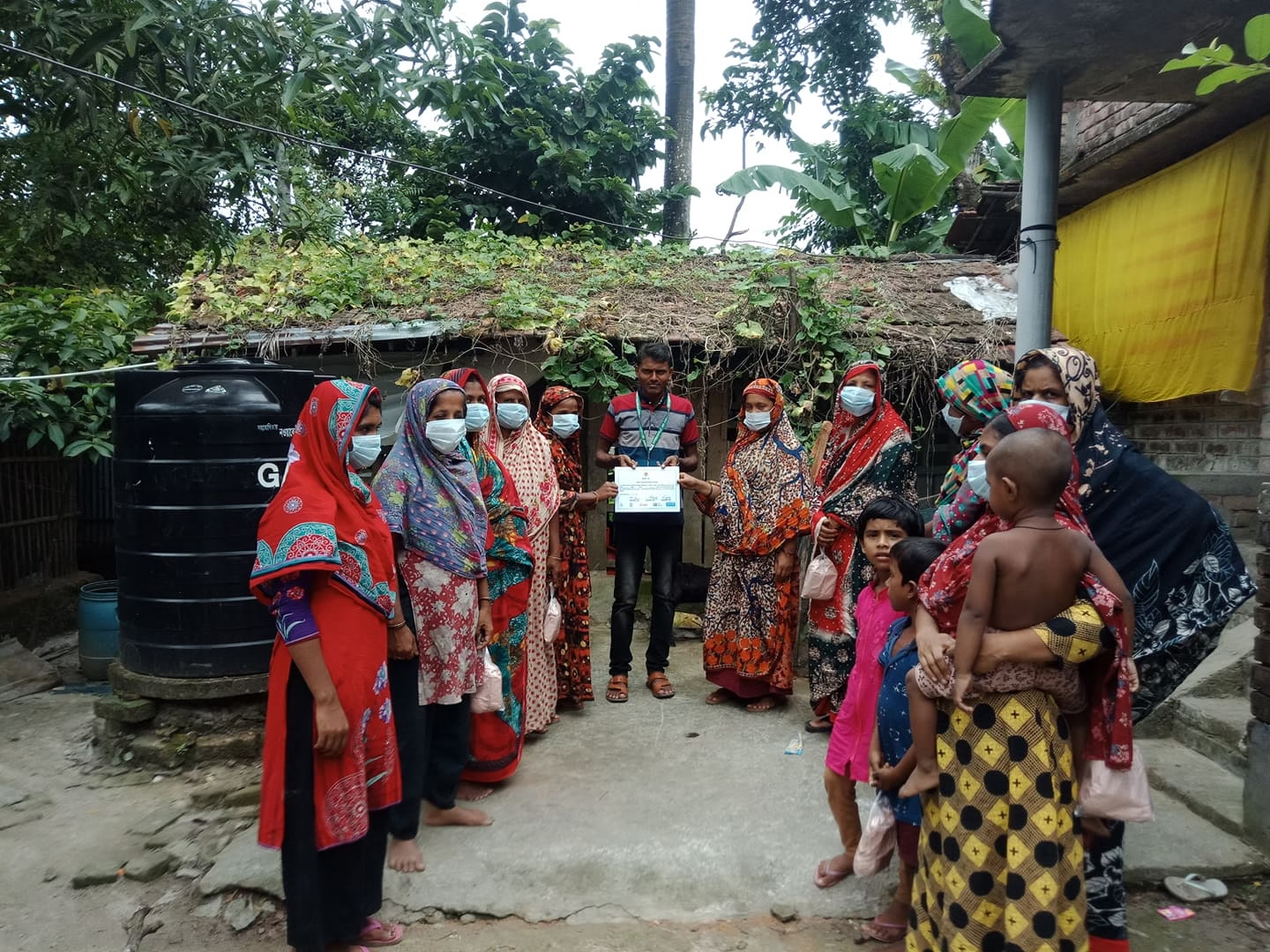
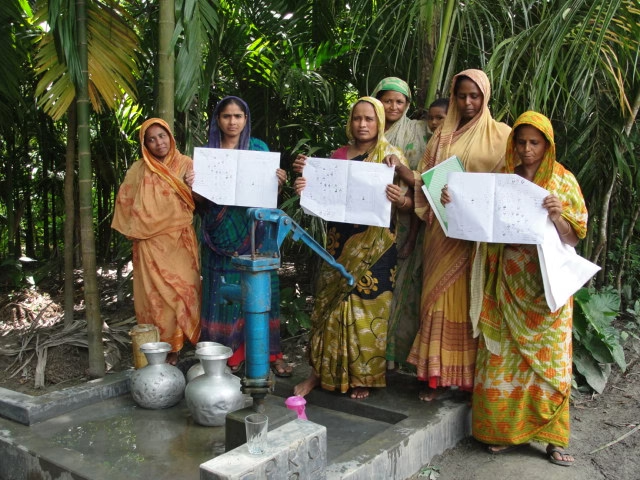
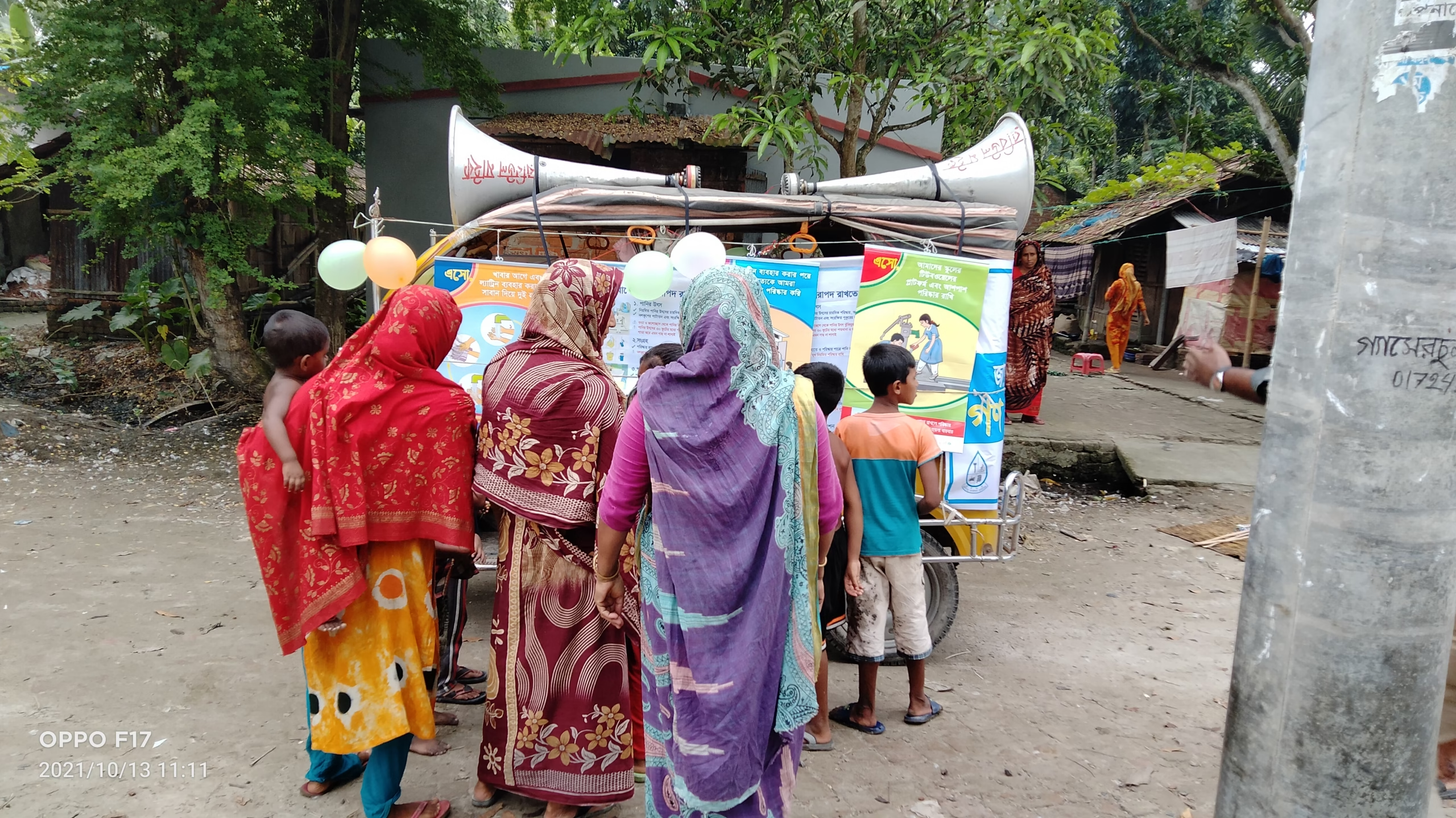
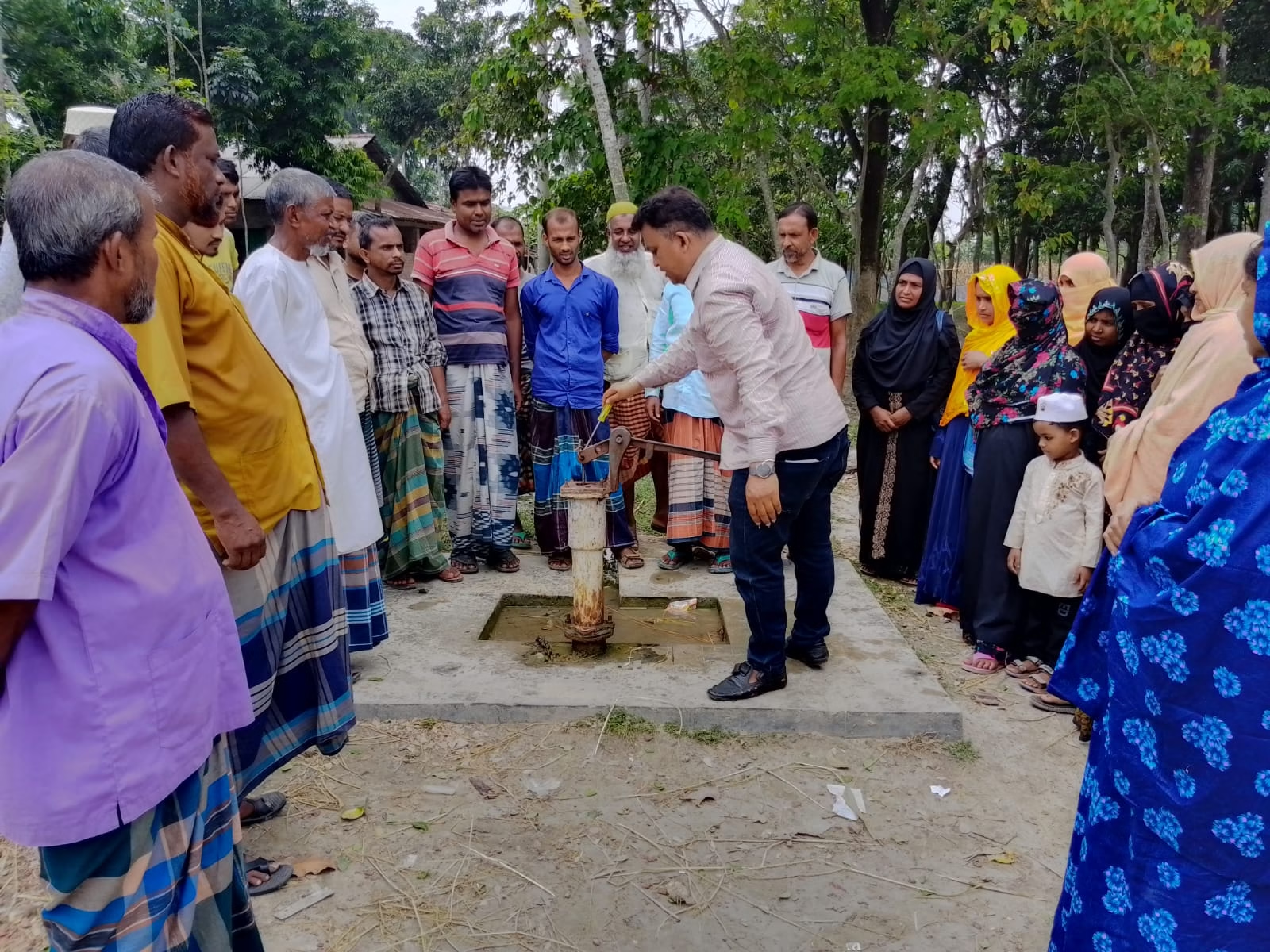
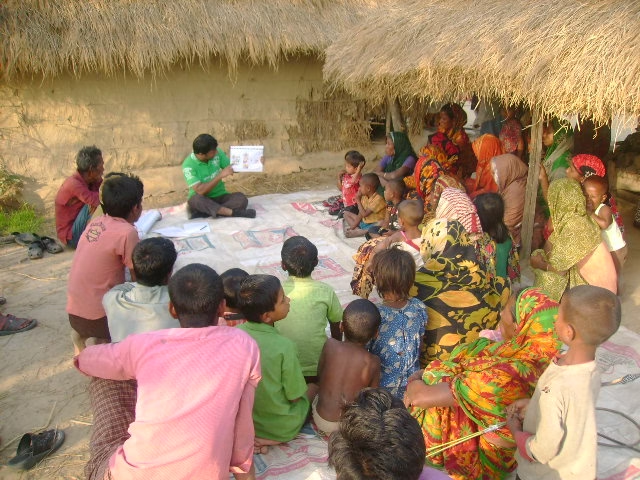
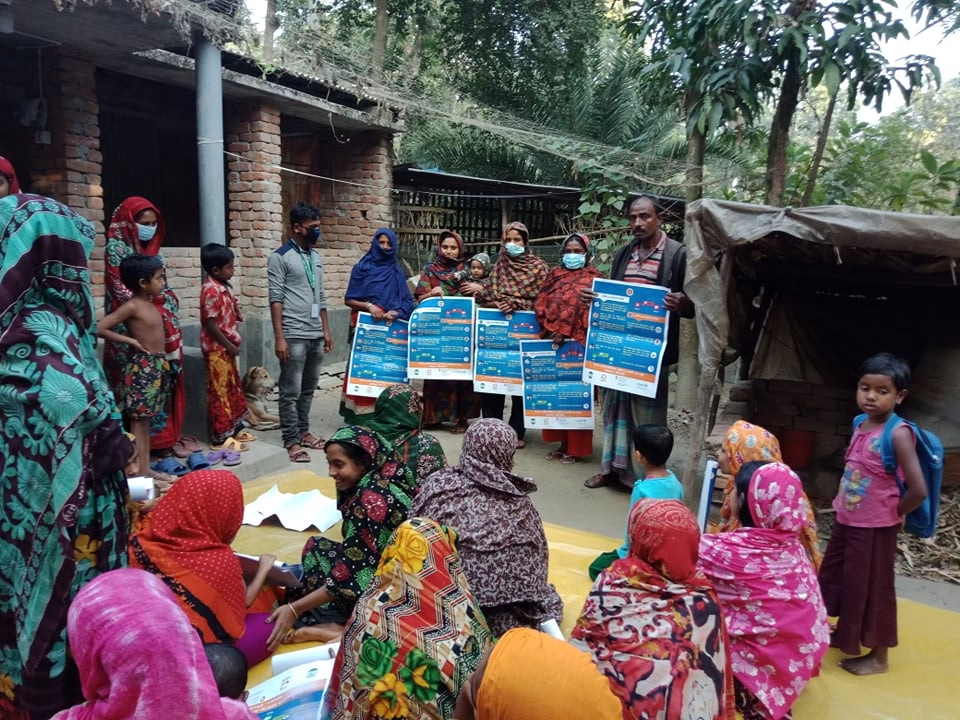
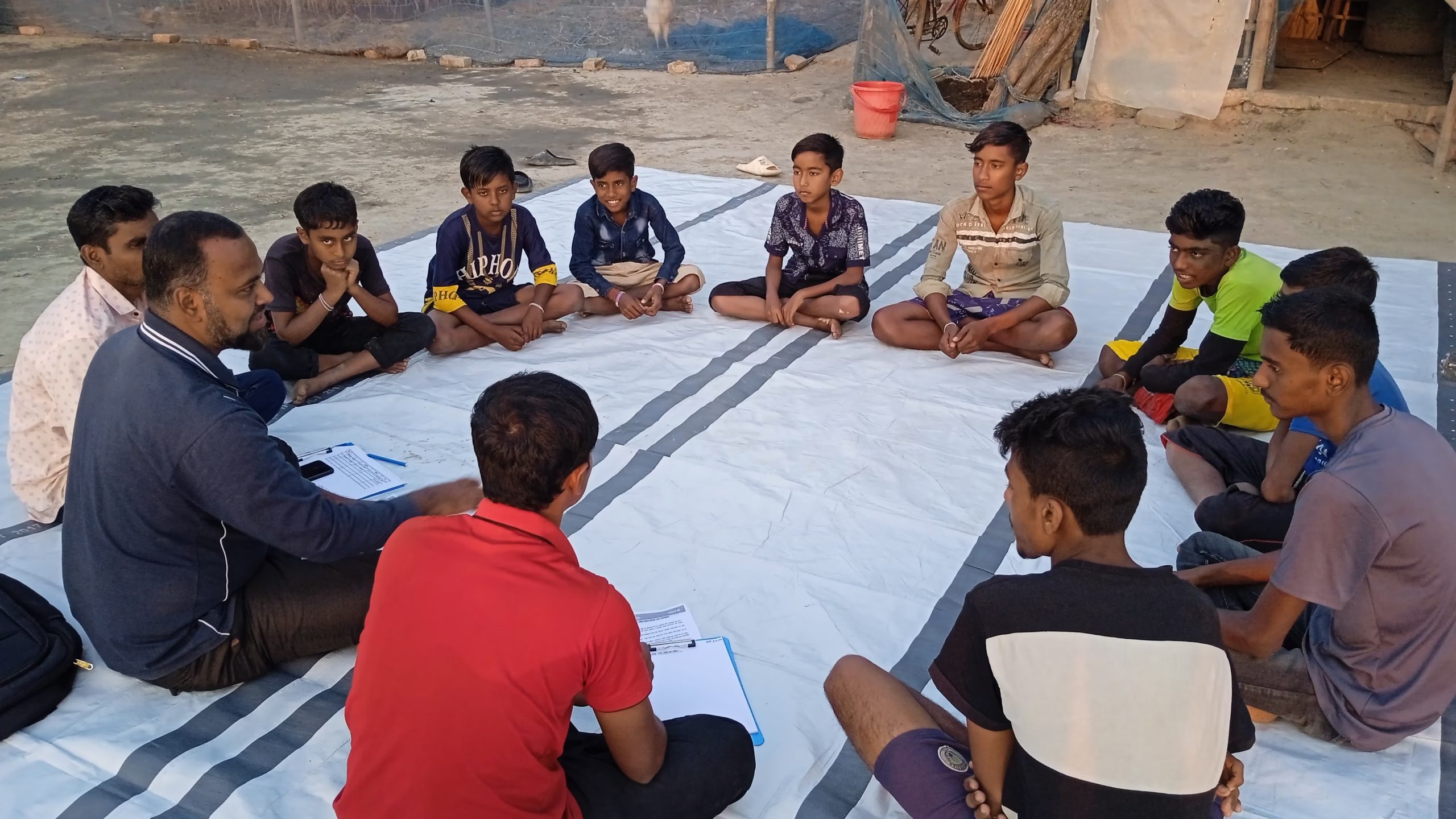
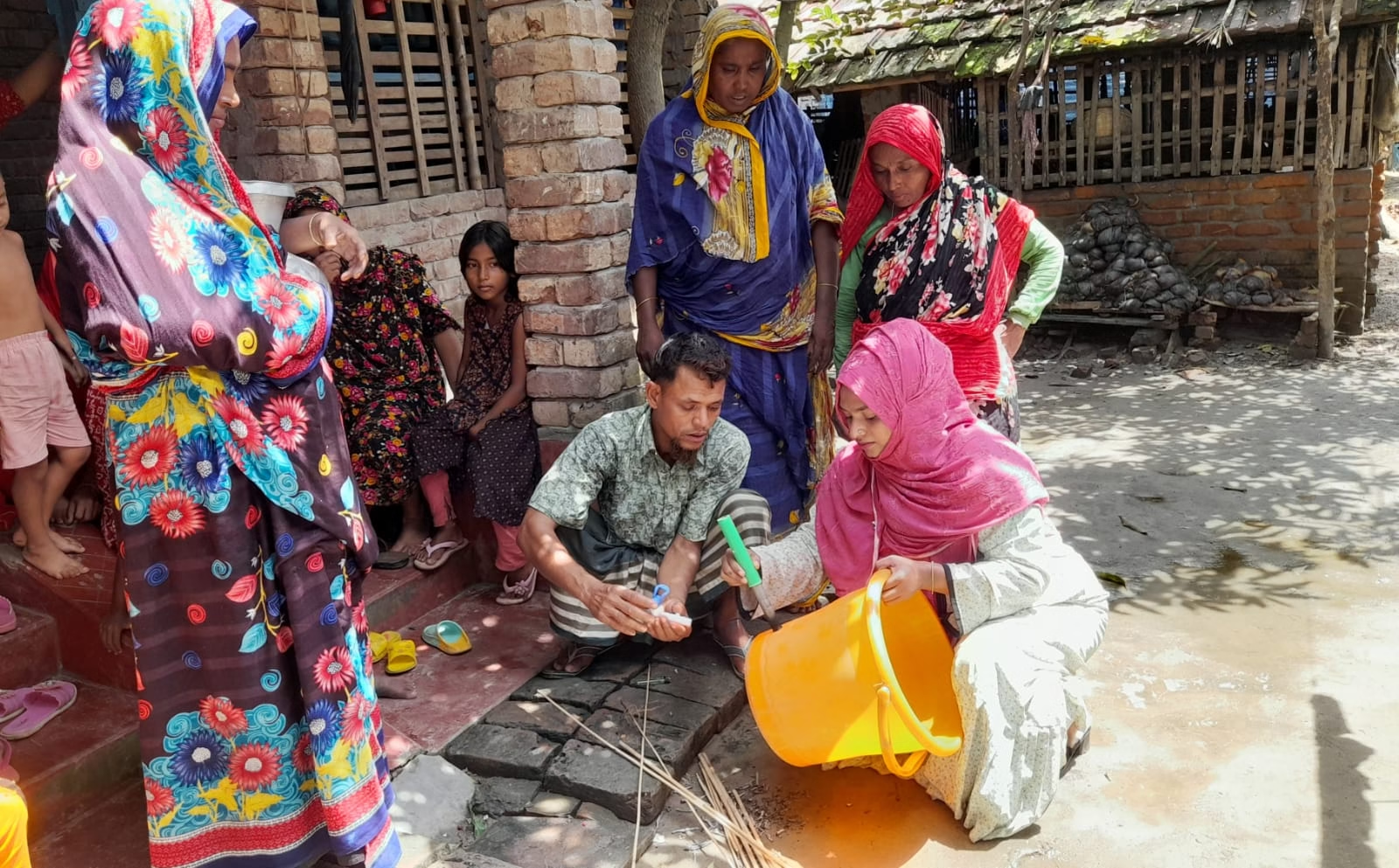
Leveraging extensive experience in curriculum design, EPRC is widely recognized for its sector-relevant pedagogy and decentralized capacity-building models. Beyond formal settings, EPRC conduct field-based training nationwide to establish “core trainer” groups within partner NGOs and CBOs. This approach ensures sustainable knowledge transfer, long-term institutional strengthening, and a lasting impact across the development sector.
Areas of Expertise:
- ◈Institutional Capacity Development
- ◈Training Needs Assessment (TNA) and capacity gap analysis
- ◈Curriculum and module development aligned with national policies and donor frameworks
- ◈Adult learning, participatory, and experiential training methodologies
- ◈Gender equality social inclusion (GESI) and disability
- ◈Monitoring, Evaluation, Accountability, and Learning (MEAL)
- ◈Digital literacy, ICT-enabled learning, and knowledge management
- ◈Safeguarding and protection (PSEA, child protection)
- ◈Governance, leadership, and local government strengthening
- ◈Project management, financial management, and procurement training
- ◈Community mobilization, facilitation, and stakeholder engagement
- ◈Development of master trainers and core trainer pools
- ◈Sustainability, institutionalization, and post-training follow-up support