
WECOME TO EPRC
Environment and Population Research Centre (EPRC) was established in 1998.
Environment and Population Research Centre (EPRC) was established by Prof. Dr. Bilqis Amin Hoque in October 1998. EPRC is a multi-disciplinary research, development, education, training, capacity building and networking non-government and not-for-profit organization.
EPRC has implemented improved quality projects aimed at poor and vulnerable communities in unserved, underserved, and hard-to-reach areas, with a particular emphasis on youth, women and children. The organization is undertaking various components of development across a wide range of sectors; Integrated Water Resources Management (IWRM), Environmental Resource Management, Water, Sanitation, and Hygiene (WASH), Waste & Wastewater Management, Food Security & Nutrition, Smart Agriculture (Organic Farming, Satellite Irrigation), Forestry, Fisheries, Education & ICT, Social Safety-Net, Public Health, Occupational Health and Safety, Air Quality, Sustainable Infrastructure, Green Energy, Disaster Risk Reduction, Climate Change Adaptation and Mitigation as well as related social and policy issues at local, regional, and global levels.
EPRC’s key focuses are multifaceted research and development initiatives that encompass skill development and livelihoods, humanitarian response, gender equity, and the promotion of human rights and good governance. These efforts are designed to ensure context-specific, cost-effective, accessible, and sustainable services for socially disadvantaged communities.
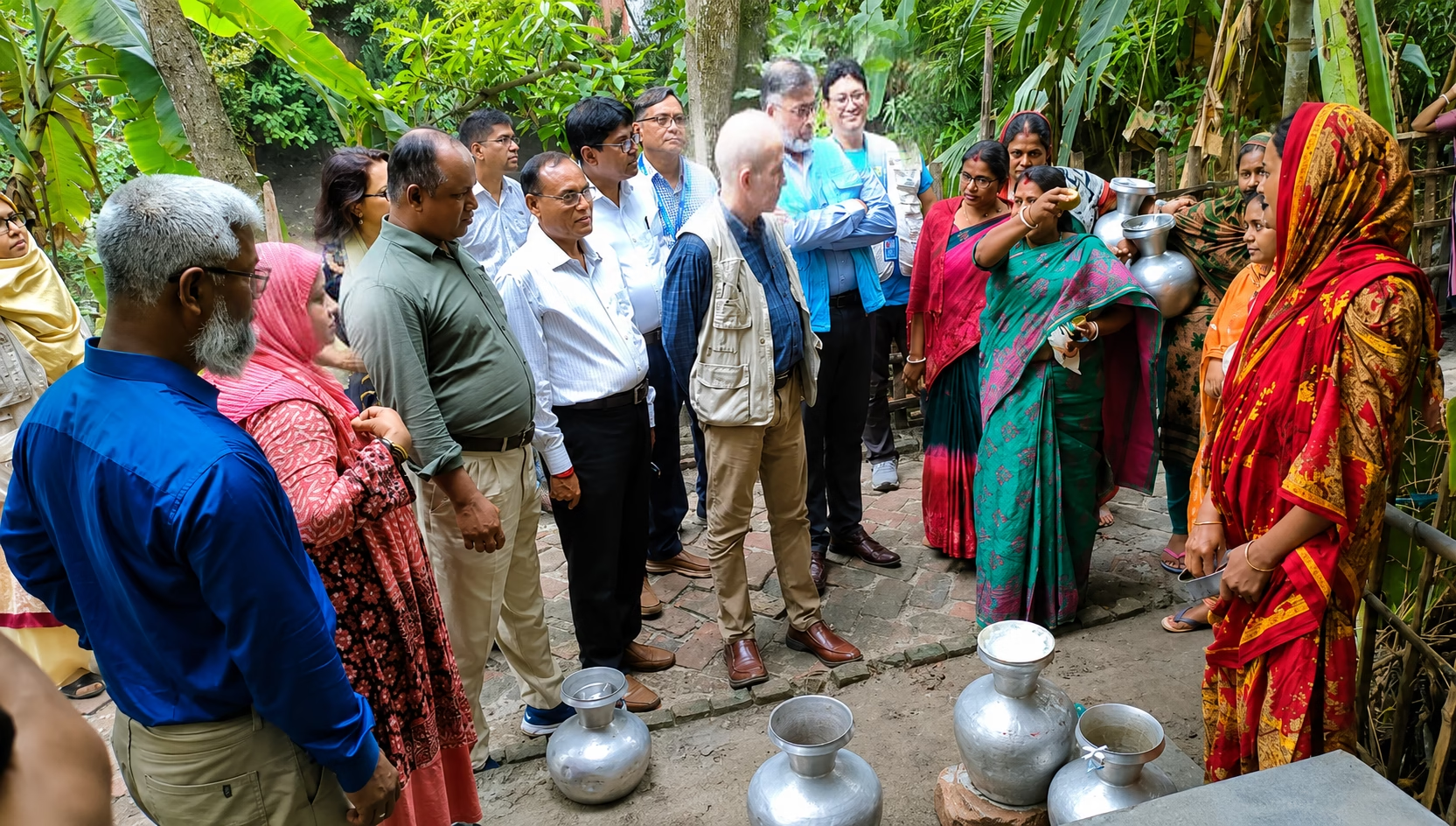
The organization conducts collaborative projects and partnerships with government departments, non-governmental organizations, and donor agencies in Bangladesh and abroad.
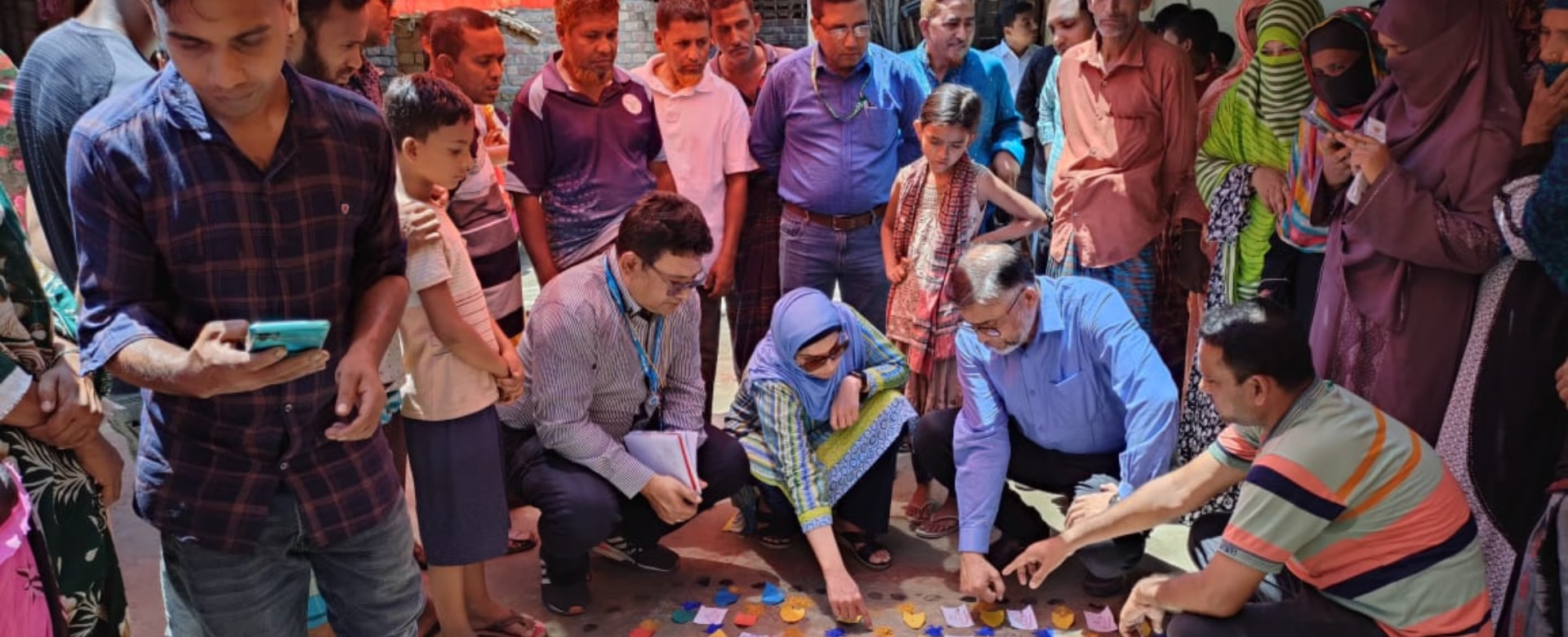
EPRC is working in collaboration with grass root Community Based Organizations (CBO), local government bodies, institutions, Water Management Groups (WMG), Natural Leaders and others potentials stakeholders.
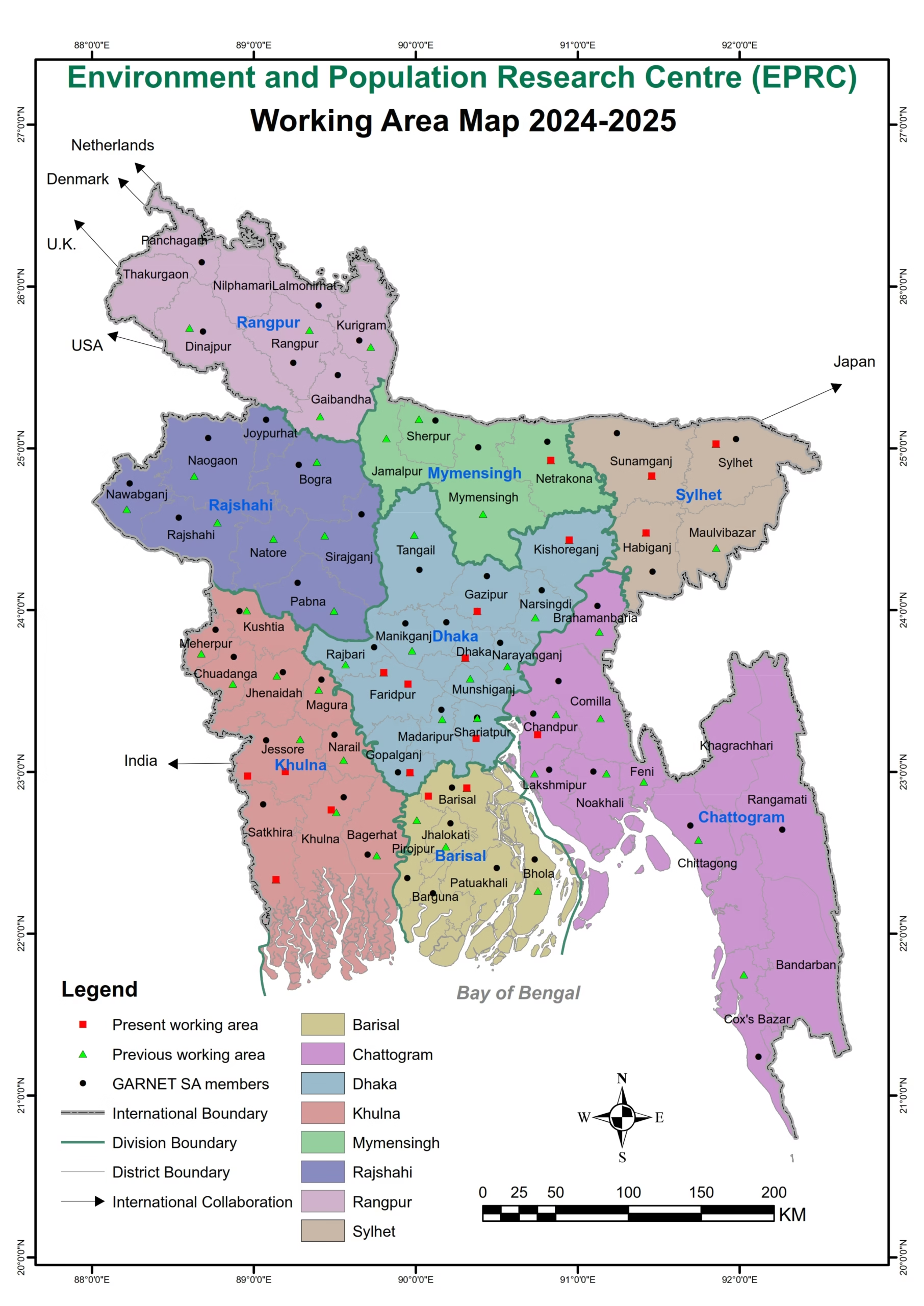
EPRC also coordinates the Global Applied Research Network for Water, Sanitation, Hygiene, Environment, and Agriculture in South Asia (GARNET-SA). GARNET-SA serves as an information exchange network with over 500 member organizations. EPRC is involved in coordinating, hosting, and conducting short training courses, workshops, and postgraduate research in collaboration with institutions and universities from Bangladesh, India, the USA, the Netherlands, Japan, Denmark, and other countries.
To meet the qualitative and quantitative demands of client service, EPRC maintains a robust pool of multidisciplinary experts. These professionals are drawn from diverse fields such as Social Sciences, Economics, Agriculture, Engineering, Environmental Sciences, Water Resources, Water Modeling, Hydrology, Hydrogeology, GIS & Remote Sensing (RS), Computer Programming, and Agricultural Water Management, and hold high academic and professional qualifications.
EPRC possesses an extensive combination of modern hardware and software facilities, supported by a team of skilled professionals. The organization also operates an environmental and basic food testing laboratory, MIS & data center, training center, educational institutions, and makeshift health clinics for marginalized populations. Coupled with its deep knowledge base, experienced personnel, and efficient logistics, EPRC is actively engaged in the ongoing development process and has established itself as a well-known research organization in Bangladesh.
Tribute to the Founding Executive President
Prof. Dr. Bilqis Amin Hoque, the Founder and Executive President of the Environment and Population Research Centre (EPRC), was a distinguished scientist of both national and international repute. She passed away on August 1, 2023, at a hospital in Kansas, USA, where she had been receiving advanced medical treatment. She was laid to eternal rest at Banani Graveyard in Dhaka following two funeral prayers, and was buried in the same grave of her parents.
Born in 1954, Prof. Bilqis completed her Secondary School Certificate (SSC) from Dr. Khastagir Government Girls’ High School in Chittagong and her Higher Secondary Certificate (HSC) from Government Carmichael College in Rangpur. She graduated in Agricultural Engineering from Bangladesh Agricultural University (BAU), Mymensingh, under the Faculty of Agricultural Engineering and Technology, becoming the first woman graduate from that faculty. She later pursued her Master’s degree in the United Kingdom under the prestigious Commonwealth Scholarship and earned her Ph.D. in Environmental Engineering from Oklahoma State University, USA. In recognition of her outstanding doctoral research, she was awarded the Altrusa International Foundation Scholarship in 1983.
Prof. Bilqis began her career as a lecturer at Bangladesh Agricultural University. After completing her higher studies abroad, she returned to Bangladesh and went on to hold several prominent national and international positions. She worked with ICDDR,B and also served the World Bank in Dhaka. She contributed to academia as a faculty member at BRAC University and as Dean of the Faculty of Civil, Environmental and Industrial Engineering at Uttara University. Internationally, she served as a Visiting Professor at the Disaster Prevention Research Institute (DPRI), Kyoto University, Japan, and as an Adjunct Professor of Environmental Health at Emory University, Atlanta, USA, a role she held until her passing.
A leading figure in the Water, Sanitation, and Hygiene (WASH) sector, Prof. Bilqis made significant contributions to research, innovation, and policy development. She was recognized as a “Women and Water Leadership” awardee in 2014. Her research interests spanned environmental engineering, public health, water and sanitation, food security, and disaster risk management, with a strong emphasis on technology development, capacity building, gender inclusion, and monitoring and impact evaluation across rural, urban, and climate-vulnerable contexts.
In 1998, Prof. Bilqis founded the Environment and Population Research Centre (EPRC) and served as its Executive President until her death. Though she is no longer with us, her vision, leadership, and enduring commitment continue to inspire all who had the privilege to work with her.
We remember her with deep respect and heartfelt prayers. May the Almighty grant her eternal peace and a place in Jannah. Her legacy, ideals, and unwavering spirit will continue to guide us in the years to come.
We’re getting started on our journey
Our Services
EPRC offers a range of specialized services including environmental and basic food testing through its advanced laboratory, professional training programs to build institutional capacity, and innovative solutions in GIS, IEC/BCC, and MIS for effective data management and community engagement.
Our Programs and Research

Environment
The living environment faces significant challenges due to rapid urbanization, overcrowding, and environmental degradation. Many urban areas, particularly Dhaka, struggle with inadequate housing, poor sanitation, and limited access to clean water, leading to health risks. Air pollution is a severe issue, worsened by industrial emissions and traffic congestion.


Livelihood
Livelihood challenges are primarily driven by poverty, limited access to resources, and vulnerability to natural disasters in Bangladesh. Many people depend on agriculture, which is increasingly affected by climate change, floods, and soil degradation. Urban migration has led to overcrowded cities with limited job opportunities, especially in informal sectors.


Disaster & Climate Change
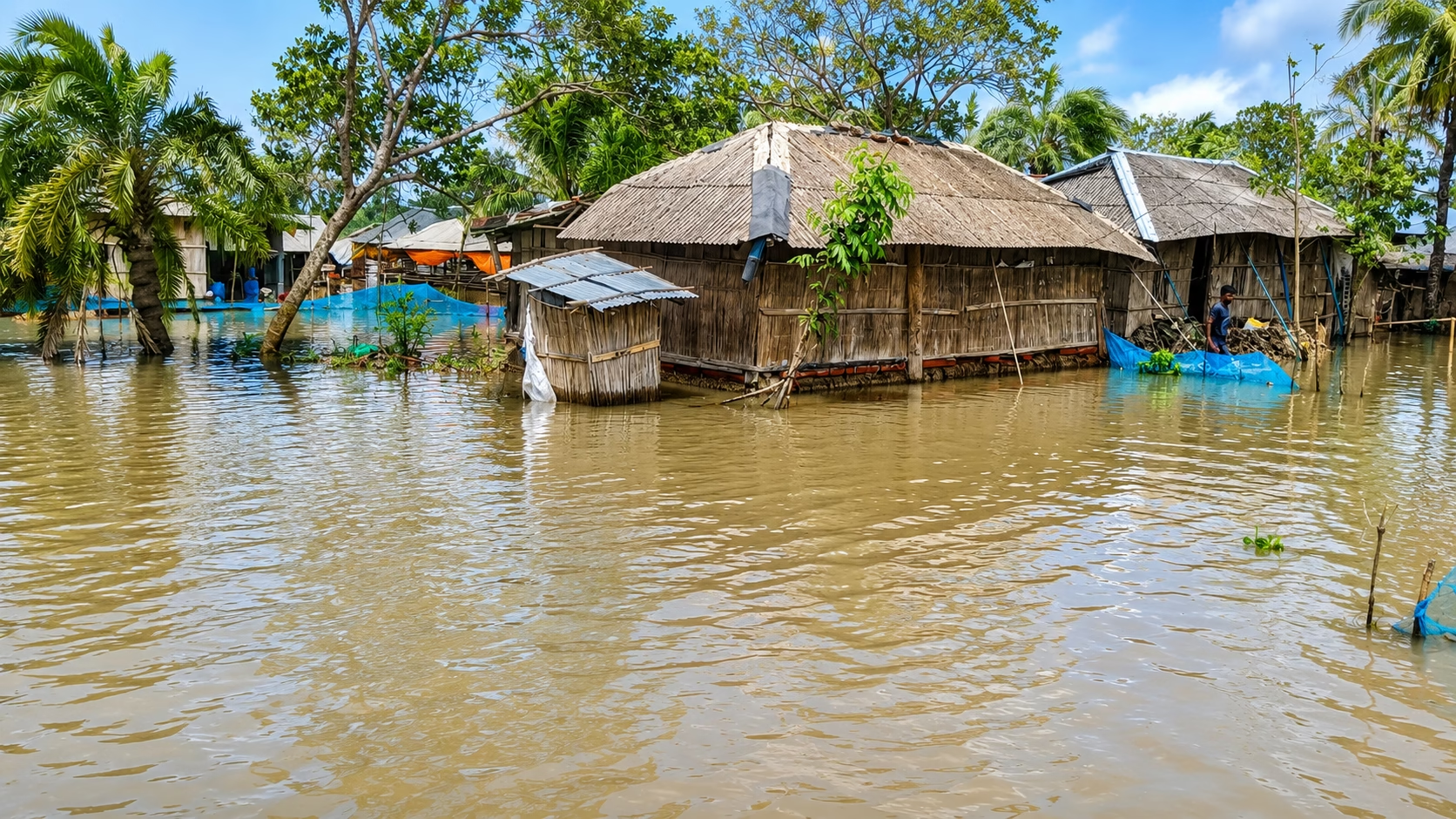
Bangladesh is highly vulnerable to disasters exacerbated by climate change, including floods, cyclones, and river erosion. Its low-lying geography, dense population, and reliance on agriculture make it particularly susceptible to rising sea levels, erratic monsoons, and extreme weather events.


Education
In Bangladesh, underprivileged groups face significant barriers to accessing education, with challenges in general, technical, and religious education. General education for marginalized communities often suffers from inadequate infrastructure, teacher shortages, and socio-economic barriers.


Energy
Domestic cooking energy is primarily reliant on traditional biomass sources like wood, charcoal, and crop residues, leading to indoor air pollution, health issues, and deforestation. Access to cleaner cooking technologies, such as LPG or improved cookstoves, remains limited in rural areas of Bangladesh due to high costs and inadequate infrastructure.


WASH
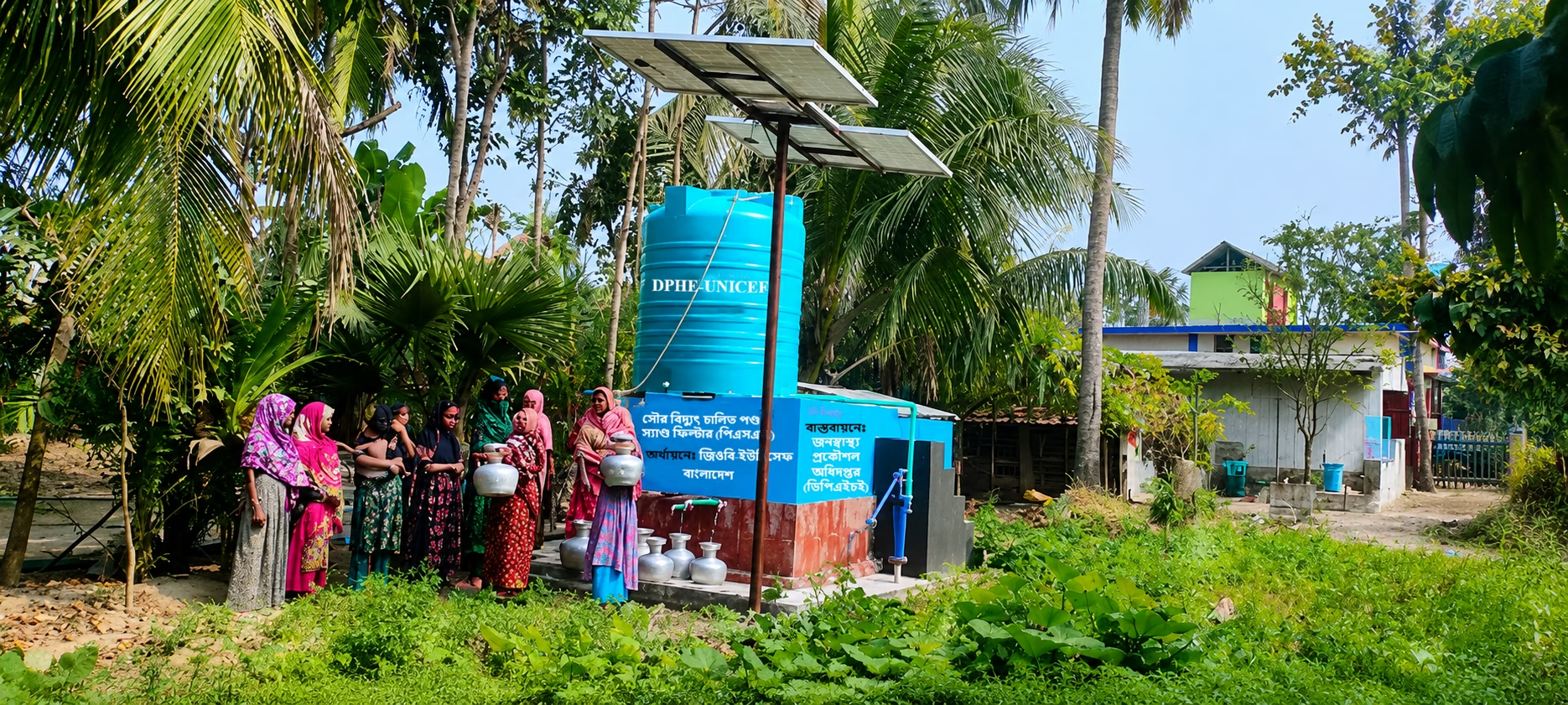
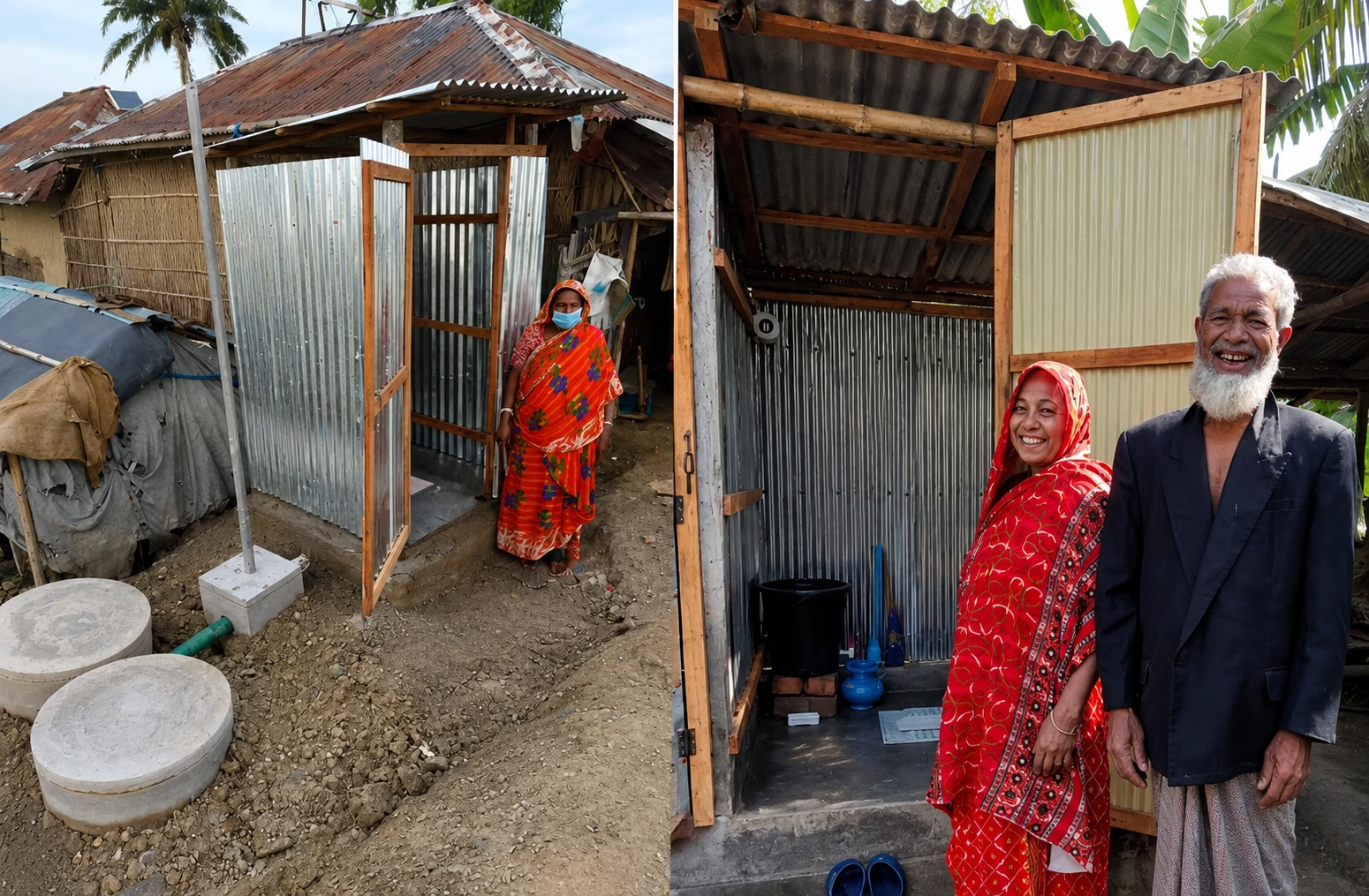
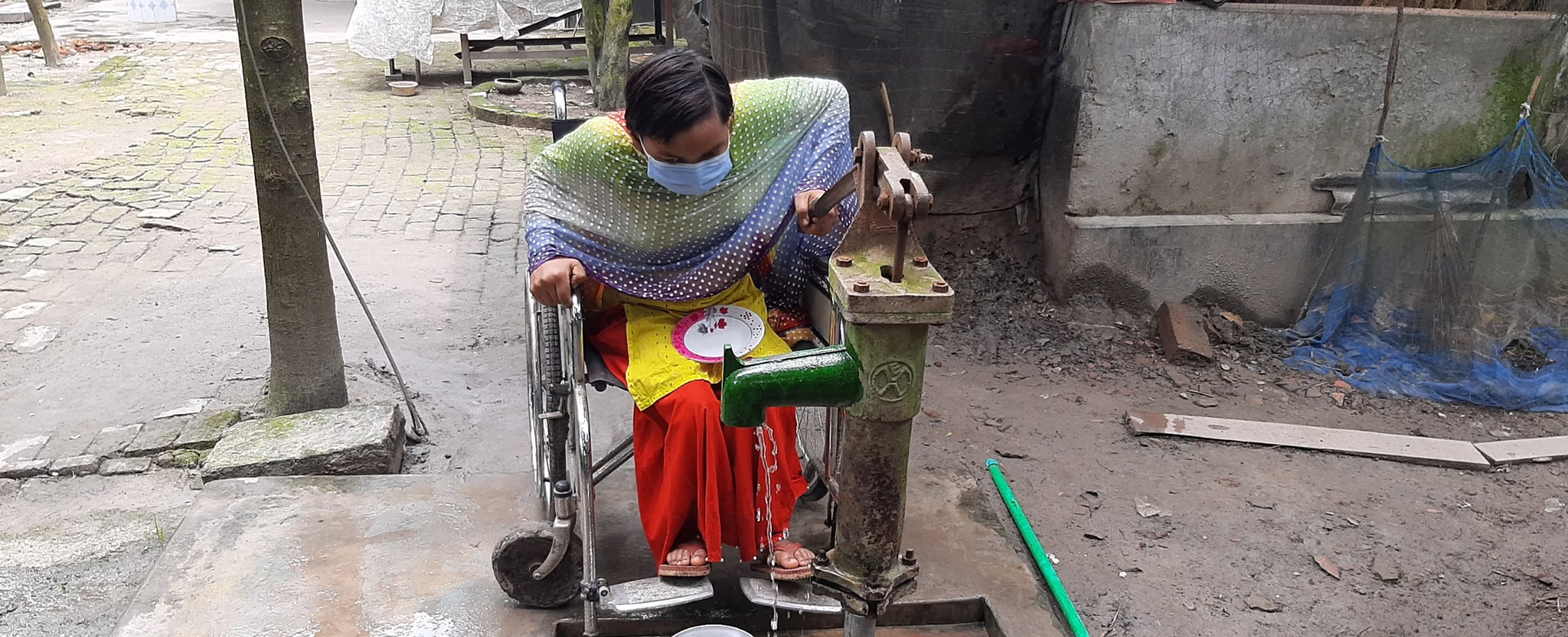
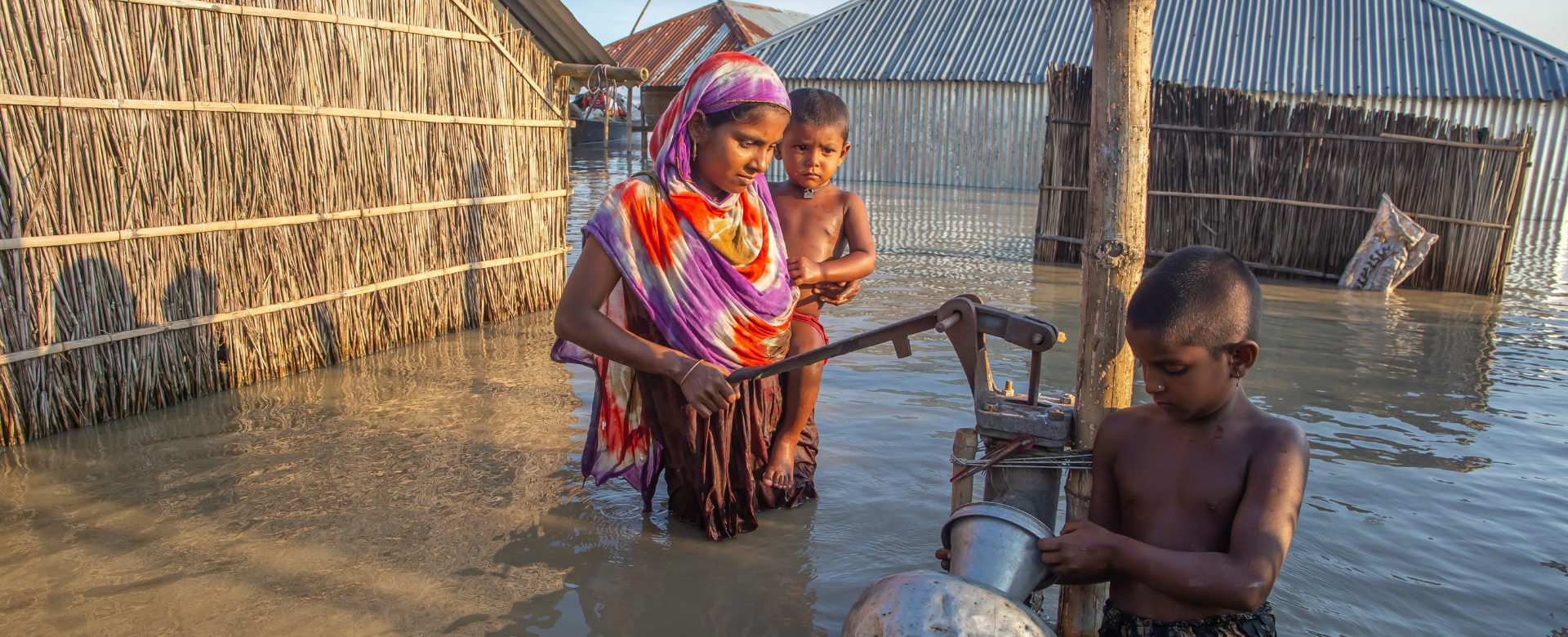
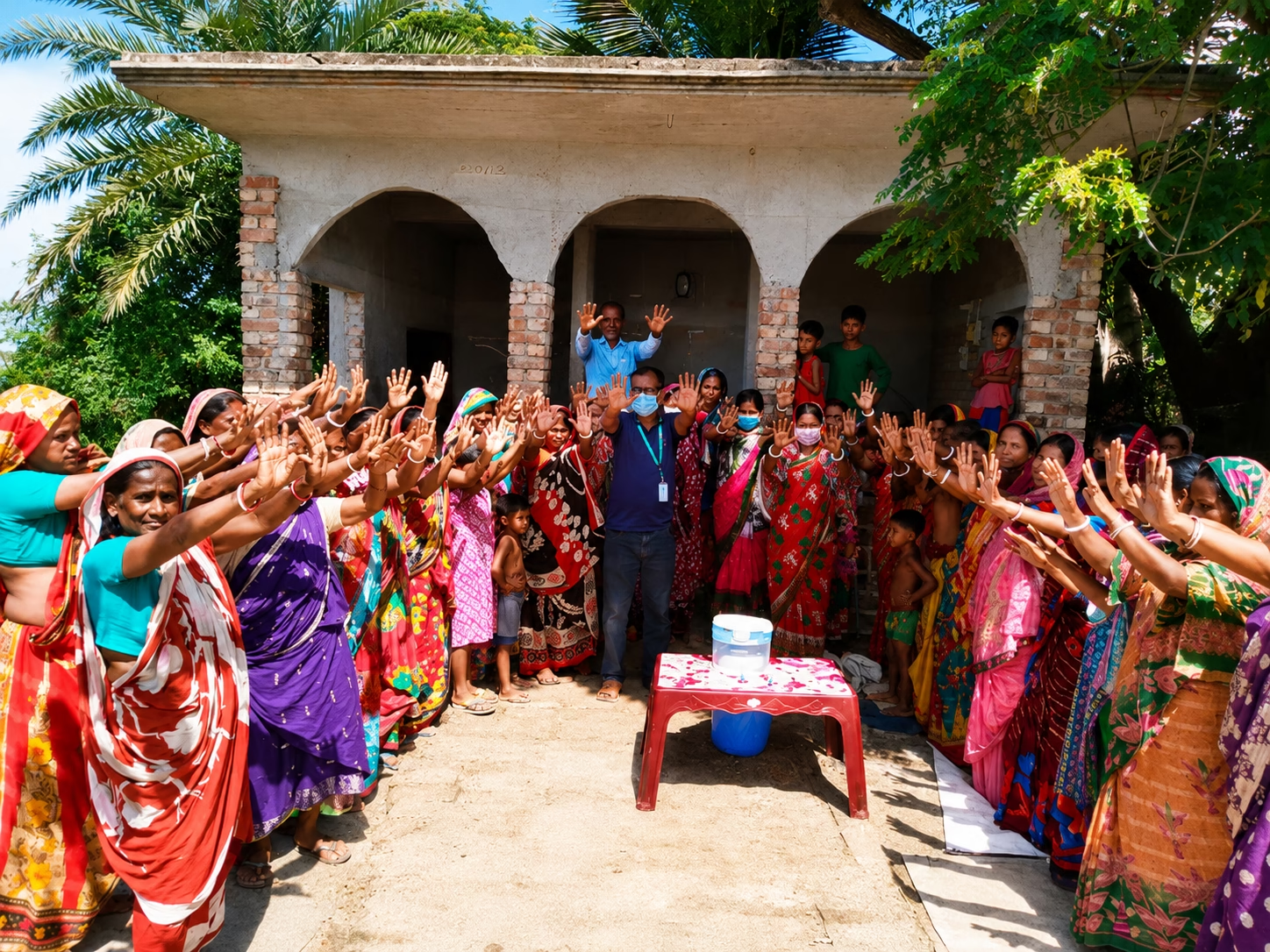
EPRC identifies key challenges in the Water, Sanitation, and Hygiene (WASH) sector, particularly in rural and flood-prone regions. Access to safe drinking water remains a critical issue, with millions affected by groundwater contamination from arsenic and saline intrusion.


Human Rights
Gender-based violence (GBV) remains a serious issue, with widespread cases of eve-teasing, domestic violence, public sexual harassment, and trafficking. Social norms, gender inequality, and weak law enforcement perpetuate violence, particularly in rural areas.


Agriculture and Food Security
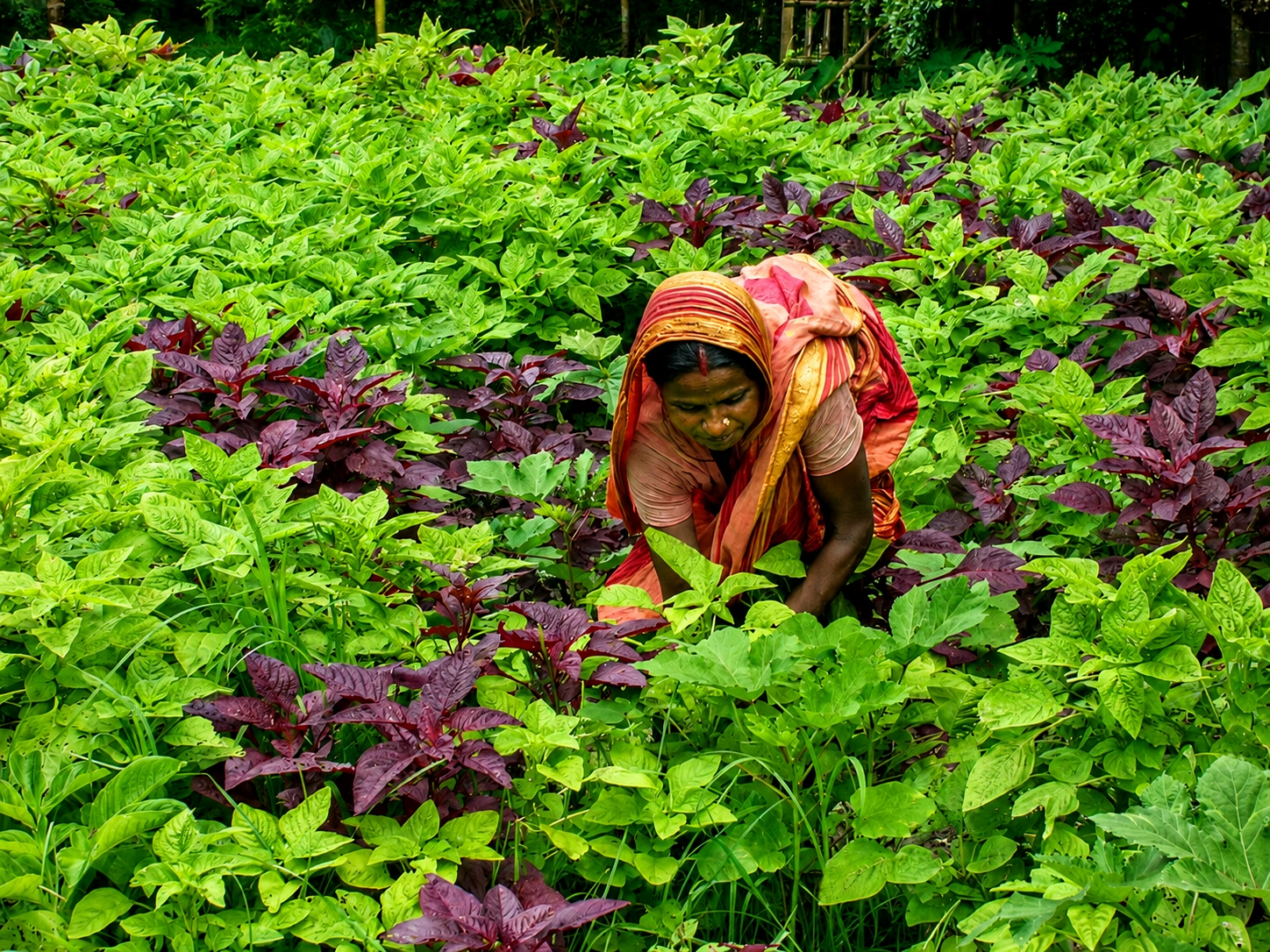
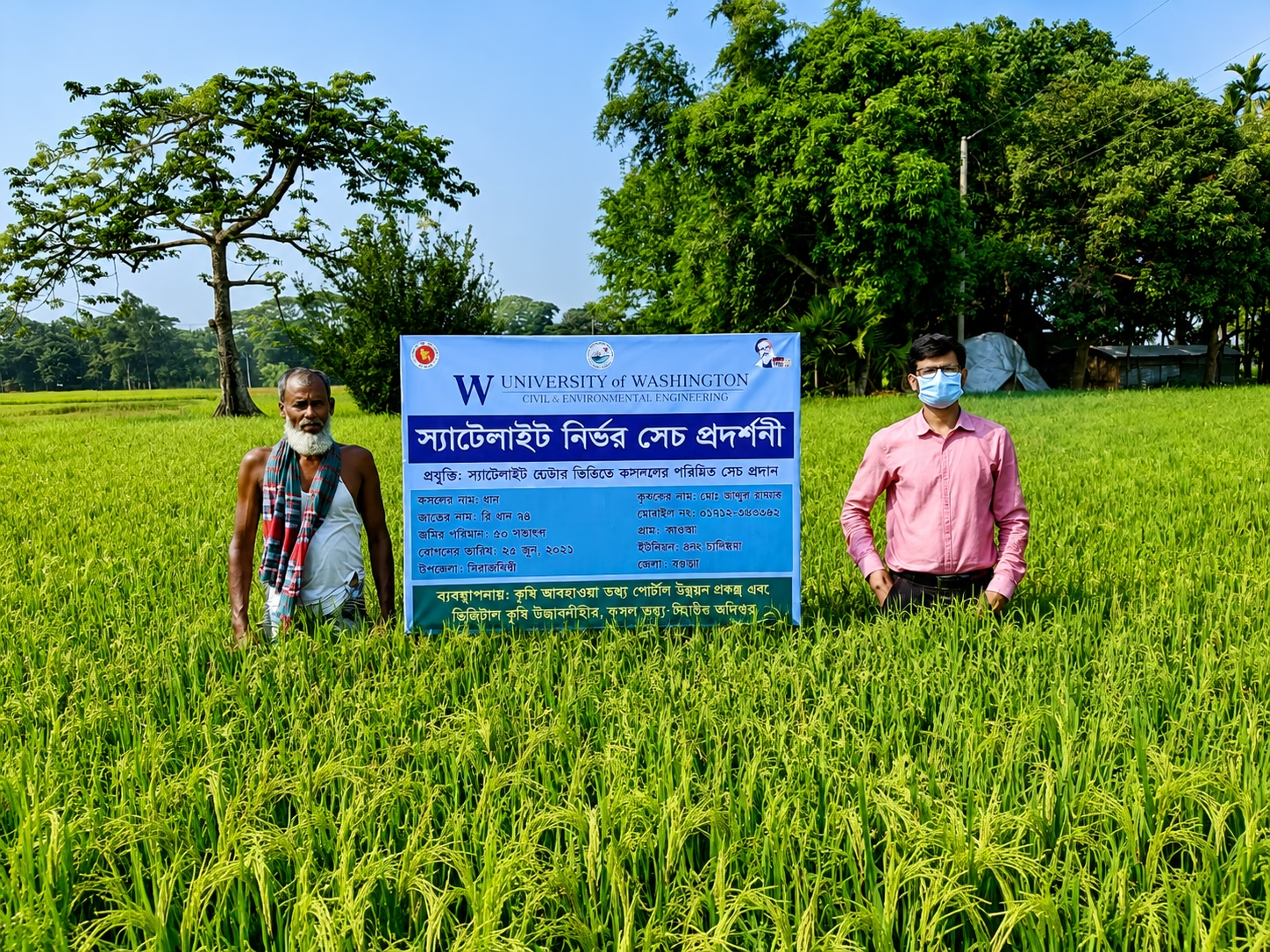
Agriculture and food security in Bangladesh face multiple challenges, including climate change, flooding, erratic weather patterns, and soil degradation, which impact crop yields. The majority of farmers rely on monsoon-fed irrigation, making them vulnerable to droughts and irregular rainfall.


Health Programs and Research
Preventive and public health initiatives focus on reducing disease burden through vaccination, hygiene, sanitation, and health education. In Bangladesh, nutrition remains a key concern, with efforts aimed at combating malnutrition and micronutrient deficiencies, especially among children and women.

Our Services
EPRC offers a range of specialized services including environmental and basic food testing through its advanced laboratory, professional training programs to build institutional capacity, and innovative solutions in GIS, IEC/BCC, and MIS for effective data management and community engagement.
